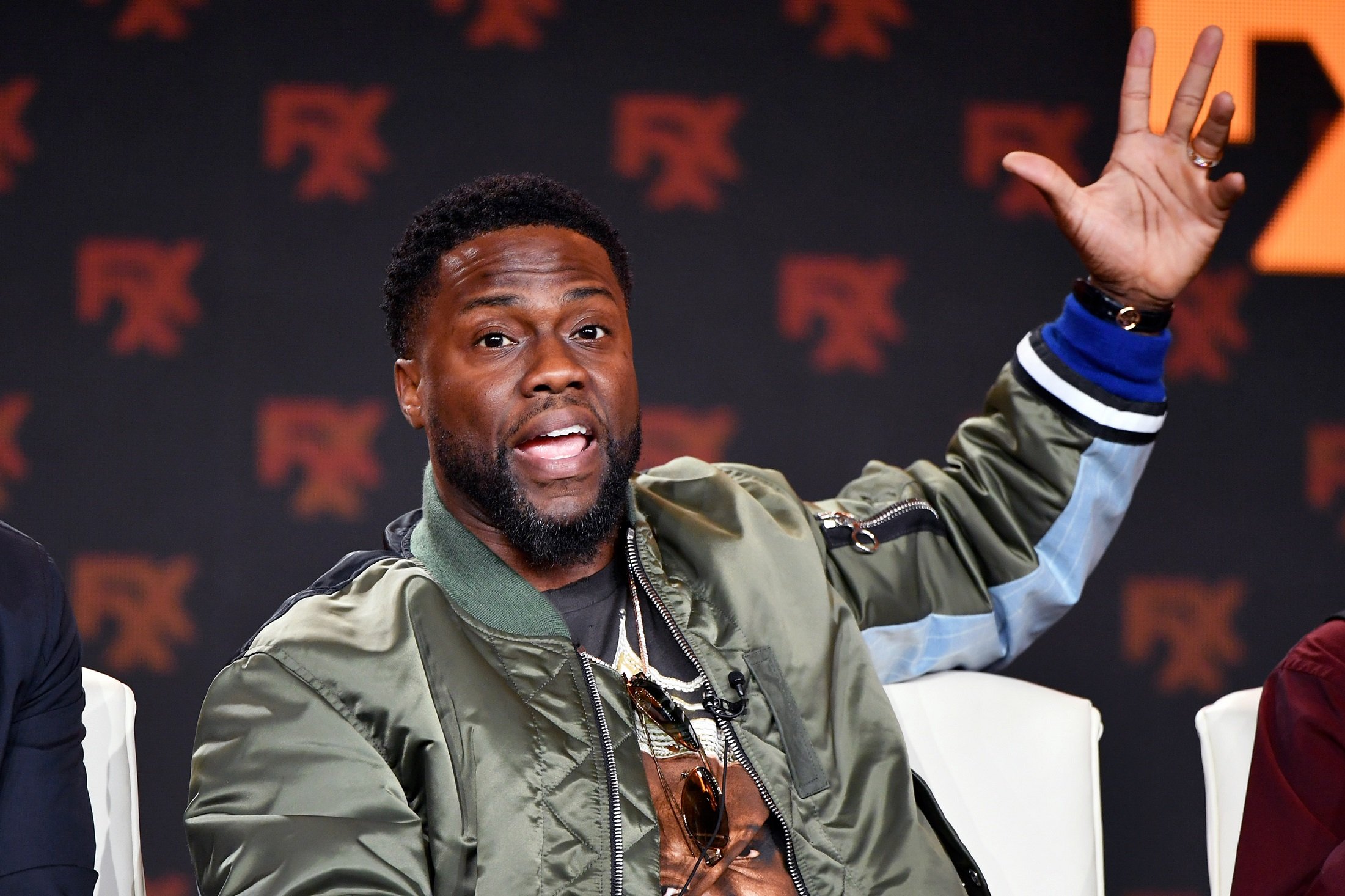
The enigma surrounding Danny Koker, the charismatic figure better known as the "Count" from the widely celebrated television series Counting Cars, extends far beyond the gleaming chrome and powerful engines that define his Las Vegas-based shop, Count's Kustoms. While the show meticulously documents the restoration of classic automobiles and motorcycles, it offers only fleeting glimpses into the personal financial landscape of its 2017 kevin hart net worth star, leaving the public to speculate about the intricacies of his net worth, particularly during the pivotal year of 2018. To truly understand the financial standing of Danny Koker in 2018, one must look beyond the surface-level spectacle of television and delve into the complex interplay of a successful automotive business, savvy real estate investments, and the ever-evolving economics of the entertainment industry.
Beyond these landmark films, Chloe Zhao’s net worth is also bolstered by her substantial backend points. Backend points are a portion of a film's profits paid to key creatives like directors and writers, and they can be extraordinarily lucrative for a film that performs well at the box office. Given that both *Eternals* and *Nomadland* were significant financial successes, the backend revenue from these projects has undoubtedly added a considerable sum to her fortune. Furthermore, her reputation grants her significant leverage. High-profile projects and collaborations with major studios and actors are likely drawn to her, not just for her artistic vision, but because of her proven ability to deliver both critical acclaim and commercial return. This demand allows her to command high salaries and favorable terms for future endeavors, ensuring that her net worth will continue to grow. Ultimately, Chloe Zhao’s net worth is a testament to her singular talent and her daring commitment to a cinematic vision that is both artistically rigorous and commercially viable, marking her as one of the most powerful figures in modern film.
The primary engine of Sarkeesian’s financial success is her foundational project, Feminist Frequency. Launched in 2009, the website serves as the central hub for her analysis, providing a platform for her long-form video essays, blog posts, and resources. The creation of this platform required significant initial investment, and its ongoing maintenance, web hosting, and eventual transition to more sophisticated video production represented a substantial financial undertaking. However, it is her video series that have truly defined her public profile and economic viability. Early series like "Tropes vs. Women in Video Games" were not merely academic exercises; they were major productions requiring research, scripting, animation, voiceover work, and editing. The production quality of these videos, which often involved collaborations with artists and editors, signaled a professional approach that moved beyond simple blogging into the realm of professional media creation. This transition to video was crucial, as it allowed her to reach a massive audience on platforms like YouTube, where her channel amassed hundreds of thousands of subscribers. The shift to video content inherently means higher production costs, but it also opens up more lucrative revenue streams.
Common mistakes in 2017 Kevin hart net worth for quick action for better planning
The primary engine of Ryan Haddon’s financial success has been his unwavering presence within the reality television landscape. For over a decade, he has been a fixture on screens, participating in a series of shows that have, in turn, built his personal brand. His journey began with appearances on programs like *The Fabulous Life Of...* and *Celebrity Wife Swap*, which served to familiarize the public with his persona. However, it was his role as a main cast member on the long-running reality series *Real Housewives of New Jersey* that truly catapulted him into the stratosphere of recognizable television personalities. Joining the cast in Season 10, Haddon brought a unique dynamic to the reunion tables and the drama-laden interactions. His relationship with his then-husband, Christian Richard, and his subsequent romantic journey with second cast member Teresa Aprea, provided compelling, often controversial, storylines that kept audiences engaged. This constant stream of content, broadcast to millions of viewers, is the lifeblood of his public career and a direct contributor to his monetization. The salary he commands for appearing on such a high-profile installment of the *Real Housewives* franchise is a significant, stable pillar of his income, reflecting the value networks place on his ability to generate conflict, conversation, and viewership.
The journey to financial prominence began not with shock rock, but with a calculated rebellion that tapped into a cultural zeitgeist. Emerging in the early 1990s, Manson and his band offered a stark contrast to the prevailing glam metal and alternative grunge of the era. His lyrics, confrontational and laced with anti-religious and anti-establishment rhetoric, were not merely provocative for the sake of being provocative; they were a direct attack on the perceived hypocrisy of mainstream culture. This aggression, packaged in a visually striking manner, resonated with a disaffected youth. The music sold, and the concerts became events, but the real masterstroke was understanding that the controversy itself was a valuable commodity. Media attention, whether positive or negative, drove ticket sales and record purchases. Every protest against the band, every religious group calling for a boycott, inadvertently fueled the marketing machine, turning Marilyn Manson from a niche act into a mainstream phenomenon. This initial phase laid the foundation, establishing a brand that was synonymous with edge and rebellion, a brand that commands a premium.
However, with great size comes great scrutiny, and the discussion of CSX's net worth is incomplete without acknowledging the challenges it faces. The railroad industry is notoriously cyclical, heavily tied to the health of the broader economy. When consumer spending slows and industrial production contracts, the volume of freight handled by CSX can diminish, directly impacting revenue and profitability. Furthermore, CSX operates in a complex regulatory environment, overseen by the Surface Transportation Board, which can influence rates and rules. Labor relations are also a perennial issue, as the work is often dangerous and requires a high degree of skill, leading to tense negotiations with unions over wages and benefits, all of which have a direct impact on the company's financial health. Competition from other railroads like Norfolk Southern and, in some sectors, trucking and barge lines, ensures that CSX cannot afford to rest on its laurels. The need to continuously invest in safety, technology, and infrastructure to maintain its competitive edge represents a constant drain on resources that must be factored into any serious assessment of its true net worth.
