The diversification of the Tobu net worth did not stop at rails and real estate. To safeguard and grow their capital, the family ventured into the financial sector, establishing banking and investment arms. This move transformed them from industrialists into financiers. By holding the purse strings of their own vast empire, they could fund new ventures internally without relying on external lenders, thus avoiding interest payments and maintaining total autonomy. Furthermore, the investment arm allowed them to park excess capital into stocks, bonds, and other global assets, ensuring that the Tobu net worth was not static but actively working in multiple markets simultaneously. They became a force on the Tokyo Stock Exchange, their holdings providing a buffer against economic downturns and a source of passive income that sustained the core business operations. This financial acumen separated them from typical conglomerates and positioned them as a family office on a monumental scale.
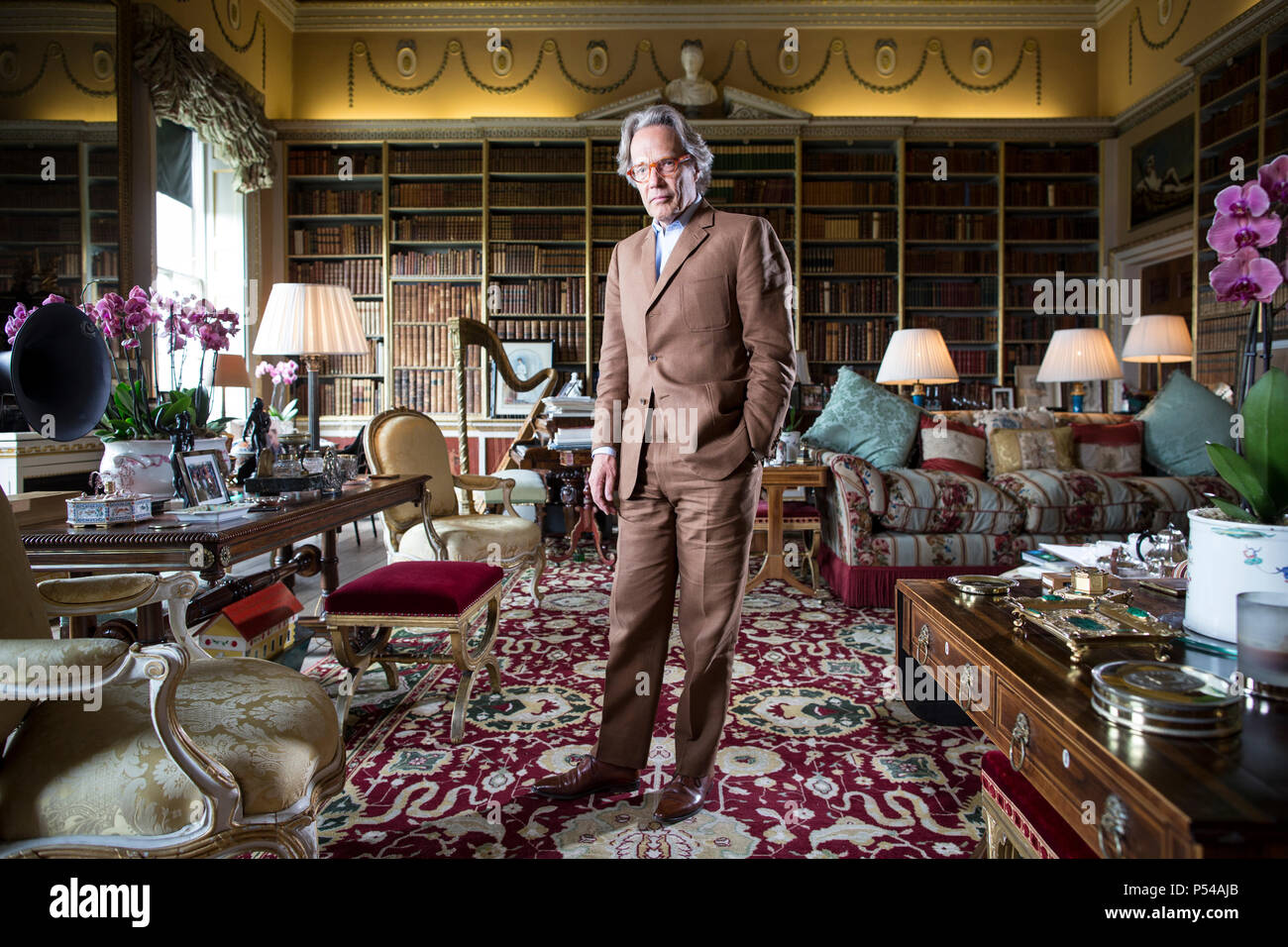
The concept of kawaii, which translates to "cute" in Japanese, is more than just a style; it is a cultural phenomenon that emphasizes innocence, charm, and childlike wonder. Hello Kitty, the iconic white kitten created by Yuko Shimizu in 1974, is the undisputed queen of this aesthetic. With her classic red bow, simple lines, and absence of a mouth, she embodies a sense of timeless cuteness that transcends language and cultural barriers. When these familiar 11th duke of richmond net worth characters are translated onto coloring pages, they become a blank canvas for imagination. The appeal of Hello Kitty coloring pages lies in their ability to transform a commercial icon into a personal creation. The rigid outline provided by the drawing serves as a guide, but the final result is entirely dictated by the colorist’s choices. This fusion of a known, beloved character with the open-ended nature of art creates a unique and deeply satisfying experience.
Beyond the glitz and glamour of the awards stage, Keighley’s business acumen is evident in his production company, Hector. Founded in 2017, Hector serves as the engine room for his diverse portfolio of projects. The company is responsible for producing *The Game Awards*, but its reach extends far beyond. Hector has produced high-profile documentaries, such as the critically acclaimed *The 1975: A Letter to Me* (which, while not gaming-related, demonstrates his versatility), and has worked on premium gaming content for major publishers and platforms. This production arm allows him to not only host and create content but to own the intellectual property and the creative process behind it. By controlling the production, he captures value at every stage, a key principle in building substantial wealth. This shift from being a hired gun for media outlets to an owner of his own production powerhouse marks a critical and lucrative evolution in his career.
Quick checklist for 11Th duke of richmond net worth in plain language without making it harder
At the heart of every shade and hue lies a pigment called melanin. This versatile molecule is responsible for the vast majority of color we see in the animal kingdom, from the deepest ebony to the palest gold. In cows, melanin is produced by specialized cells called melanocytes, which deposit the pigment into the hair follicles as the hair grows. There are two primary types of melanin that compete to create the final color we perceive: eumelanin and pheomelanin. Eumelanin is the darker pigment, ranging from black to brown, and it is the dominant color in many classic breeds. Pheomelanin, on the other hand, is the lighter pigment, responsible for the red and yellow tones that appear in breeds like the Hereford or the Jersey. The specific ratio of these two pigments, genetically determined, dictates whether a cow will appear black, brown, red, or white.
The act of coloring within the lines, while seemingly straightforward, offers significant developmental benefits that are crucial for a child’s growth. For younger children, holding and controlling a crayon or pencil strengthens the fine motor skills in their hands and fingers. This practice is essential for the eventual development of handwriting, as it builds the necessary strength and dexterity required to form letters and numbers. Furthermore, coloring pages often present distinct shapes and boundaries, requiring a level of focus and concentration that helps improve a child’s attention span. As they decide which colors to use for the ghost’s sheet or which shade to apply to Scooby’s fur, they engage in problem-solving, making simple decisions that foster cognitive development. The complexity of the pages can vary greatly, with simpler outlines suitable for toddlers featuring basic shapes, and more intricate scenes designed for older children that include detailed backgrounds of the haunted mansions or the iconic van, the Mystery Machine, challenging their spatial awareness and precision.
To understand Hinske's financial foundation, one must first look at his draft status and initial entry into the league. He was selected by the Toronto Blue Jays in the second round of the 1998 amateur draft, which means his signing bonus was significantly less than a top overall pick. However, unlike many high draft picks who command massive bonuses, Hinske's path was forged through performance rather than a massive upfront payout. His early years in the minors were likely modest, but his rapid ascent to the majors in 2002 provided immediate stability. Rookie contracts in the early 2000s, particularly for utility players, were substantial but not extravagant. During his time with the Blue Jays, Hinske established himself as a reliable pinch-hitter and defensive replacement, earning a consistent salary that allowed him to save and invest wisely.
